

What is Act 250?
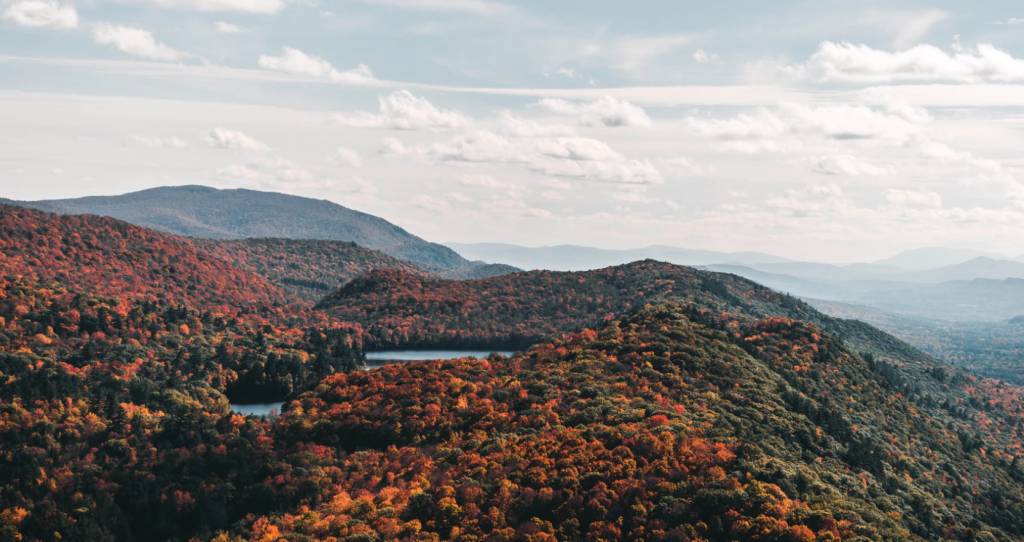
Historic downtowns, stunning views, and active working lands are quintessentially Vermont. So, too, is Act 250, the legislation that has guided development in the state since 1970, with the goals of safeguarding our farms and forests from sprawl, protecting our natural resources, and helping our towns balance growth with community health and safety.
Act 250 is an environmental review and permitting process that regulates development in Vermont by reviewing the largest development projects for their potential impacts on the surrounding area. There are ten criteria used to evaluate a project, related to issues such as water, transportation, and conformance with local and regional plans.
Act 250 is administered by the Natural Resources Board (NRB), an independent entity in the Executive Branch of Vermont State government. NRB’s primary function is to administer Act 250. Read more at the NRB website.
How has Act 250 shaped Vermont?
There are many ways the Vermont you know and love today has been shaped by Act 250. Here are just a few:
- Wonder why Vermont has managed to limit big-box sprawl? Act 250 has played a major role.
- Along with other state policies, Act 250 has helped minimize real estate speculation in Vermont, making our state less vulnerable to economic downturns.
- Act 250 has protected vital wildlife habitat, such as bear habitat and deer wintering areas, helping to ensure that we have healthy wildlife populations in Vermont.
- Act 250 has provided a voice for Vermonters in helping shape significant projects that include major ski area expansion, quarrying, major housing developments, and industrial development.
Modernizing Act 250
Act 250 News
2024 Vermont Legislative Bulletin – Historic Progress for Vermont’s Climate, Communities, and Natural Resources
It’s been a historic year for climate action, communities, and natural resources! Read about the monumental progress made this year in our 2024 Legislative Bulletin. With the devastating impacts of…
Three Things: Huge Success for the Environment! Historic Veto Overrides of the Act 250 Modernization Bill, Renewable Energy Standard, and Neonicotinoid Pesticide Ban!
Three Things: In a record-setting veto override session, three of VNRC’s top priorities made it into law in a historic year for Vermont’s commitment to the environment and sustainable communities….
Three Things: Pivotal Policy Progress, We’re Hiring, and Celebrating Senator McCormack
Three Things: Asking you to contact the governor about key environmental bills, hiring a Climate Action Organizer, and celebrating Senator McCormack’s 30+ years of public service. Stay informed, connected, and…